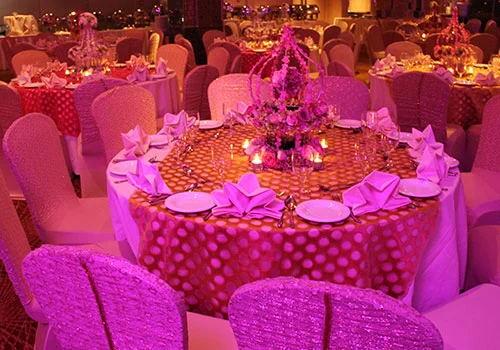
You do not need to have every detail solved before contacting an event planner. You do need a clear picture of what the event is meant to achieve. Start with a few decisions that will shape the entire proposal.
Define the occasion and audience
Explain whether you are planning a family celebration, a business launch, a conference or another gathering. Describe who will attend and what you hope they will experience. This helps the planner suggest a suitable format instead of filling the brief with unrelated ideas.
Share your practical boundaries
Give the preferred date or date range, location, approximate guest count and budget range. Identify any venue or suppliers already booked. List requirements that are fixed and ideas that can change; this gives the planning team useful room to make recommendations.
Choose the support you need
Full planning, supplier sourcing, event design and coordination on the day are different services. Ask the planner to describe which responsibilities are included. Agree on who will make bookings, approve purchases and communicate with suppliers.
Use a focused reference board
A small set of examples is easier to interpret than a large collection of unrelated photographs. Explain what you like in each example: the colours, the room layout, the lighting or the relaxed feeling. Invite the planner to adapt the idea to your venue and resources.
Ask about the process
Before confirming, request the planning milestones, approval stages and event-day staffing outline. A clear process helps you understand what you must decide and when.
Meet event and celebration businesses to begin your shortlist.